18. November 2025
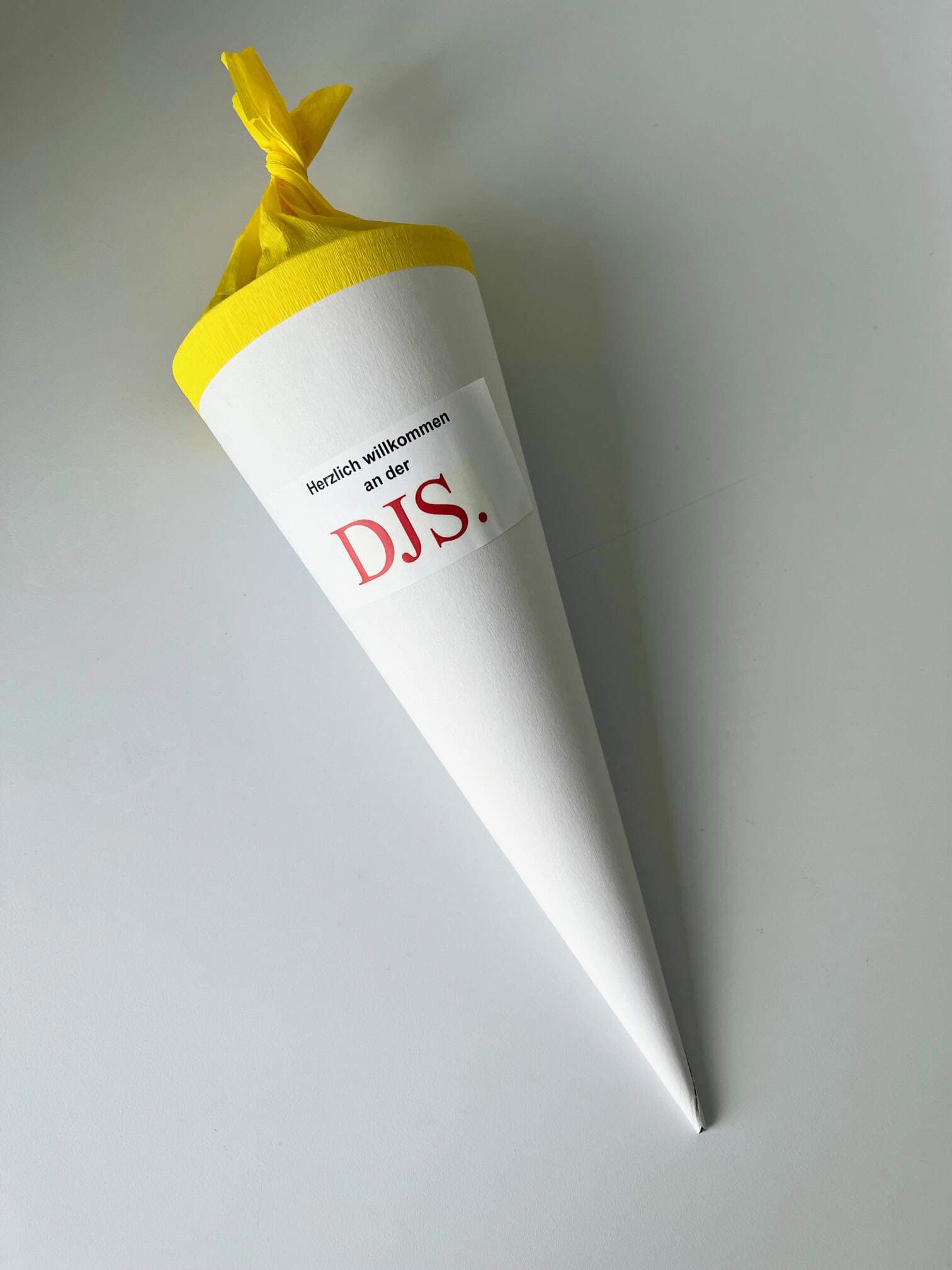
Die Deutsche Journalistenschule erweitert ihre Ausbildungszeit ab 2026 auf 18 Monate und setzt dabei neue Schwerpunkte im Curriculum.
Zusätzliche Kurseinheiten zielen auf den souveränen Umgang mit künstlicher Intelligenz und die Stärkung der Diskursfähigkeit in einer zunehmend fragmentierten Gesellschaft.
“Die neuen Inhalte sind unverzichtbar, damit Journalistinnen und Journalisten ihre Arbeit in einer von Umwälzungen geprägten Zeit so gut machen können wie irgend möglich”, erklärte Schulleiterin Henriette Löwisch in München. “Das ist unser Beitrag zur Stärkung der Demokratie.”
Die beiden zusätzlichen Monate schaffen zudem Raum für Vertiefung und Entzerrung.
“Wir gewinnen Recherchezeit, die unsere Schülerinnen und Schüler für ihre ehrgeizigen Podcasts, Magazingeschichten und Videoreportagen sehr gut brauchen können”, erklärte Löwisch. “Und wir lassen sie zwischendurch auch mal Luft holen.”
Bisher dauerte der Unterricht an der DJS rund 10 Monate, was zusammen mit den beiden dreimonatigen Pflichtpraktika in unterschiedlichen Redaktionen eine Ausbildungsdauer von 16 Monaten ergab. Hinzu kommen bei den Masterstudierenden drei Studienphasen am Institut für Kommunikationswissenschaft und Medienforschung der Ludwig-Maximilians-Universität München.
Die DJS schult jedes Jahr 45 Nachwuchsjournalistinnen und Nachwuchsjournalisten im Recherchieren, Schreiben, Berichten und Erzählen für Online-, Print-, Audio-, Video-, Social-Media- und Entwicklungsredaktionen. Der Redakteursabschluss wird von den Tarifparteien anerkannt.
Die älteste Journalistenschule Deutschlands besteht seit 1949. Ihre Unabhängigkeit von Einzelinteressen sichern 60 Trägerinstitutionen, darunter Verlage, Sender, Unternehmen, Gewerkschaften und Verbände, Parteien und Stiftungen.
| Cookie | Dauer | Beschreibung |
|---|---|---|
| cookielawinfo-checkbox-advertisement | 1 year | Set by the GDPR Cookie Consent plugin, this cookie is used to record the user consent for the cookies in the "Advertisement" category . |
| cookielawinfo-checkbox-analytics | 11 months | This cookie is set by GDPR Cookie Consent plugin. The cookie is used to store the user consent for the cookies in the category "Analytics". |
| cookielawinfo-checkbox-functional | 11 months | The cookie is set by GDPR cookie consent to record the user consent for the cookies in the category "Functional". |
| cookielawinfo-checkbox-necessary | 11 months | This cookie is set by GDPR Cookie Consent plugin. The cookies is used to store the user consent for the cookies in the category "Necessary". |
| cookielawinfo-checkbox-others | 11 months | This cookie is set by GDPR Cookie Consent plugin. The cookie is used to store the user consent for the cookies in the category "Other. |
| cookielawinfo-checkbox-performance | 11 months | This cookie is set by GDPR Cookie Consent plugin. The cookie is used to store the user consent for the cookies in the category "Performance". |
| CookieLawInfoConsent | 1 year | Records the default button state of the corresponding category & the status of CCPA. It works only in coordination with the primary cookie. |
| viewed_cookie_policy | 11 months | The cookie is set by the GDPR Cookie Consent plugin and is used to store whether or not user has consented to the use of cookies. It does not store any personal data. |
| Cookie | Dauer | Beschreibung |
|---|---|---|
| pll_language | 1 year | The pll _language cookie is used by Polylang to remember the language selected by the user when returning to the website, and also to get the language information when not available in another way. |
| Cookie | Dauer | Beschreibung |
|---|---|---|
| _ga | 2 years | The _ga cookie, installed by Google Analytics, calculates visitor, session and campaign data and also keeps track of site usage for the site's analytics report. The cookie stores information anonymously and assigns a randomly generated number to recognize unique visitors. |
| _gat_gtag_UA_119375750_1 | 1 minute | Set by Google to distinguish users. |
| _gid | 1 day | Installed by Google Analytics, _gid cookie stores information on how visitors use a website, while also creating an analytics report of the website's performance. Some of the data that are collected include the number of visitors, their source, and the pages they visit anonymously. |